Benefits of Scrap Metal Recycling in Melbourne for the Environment
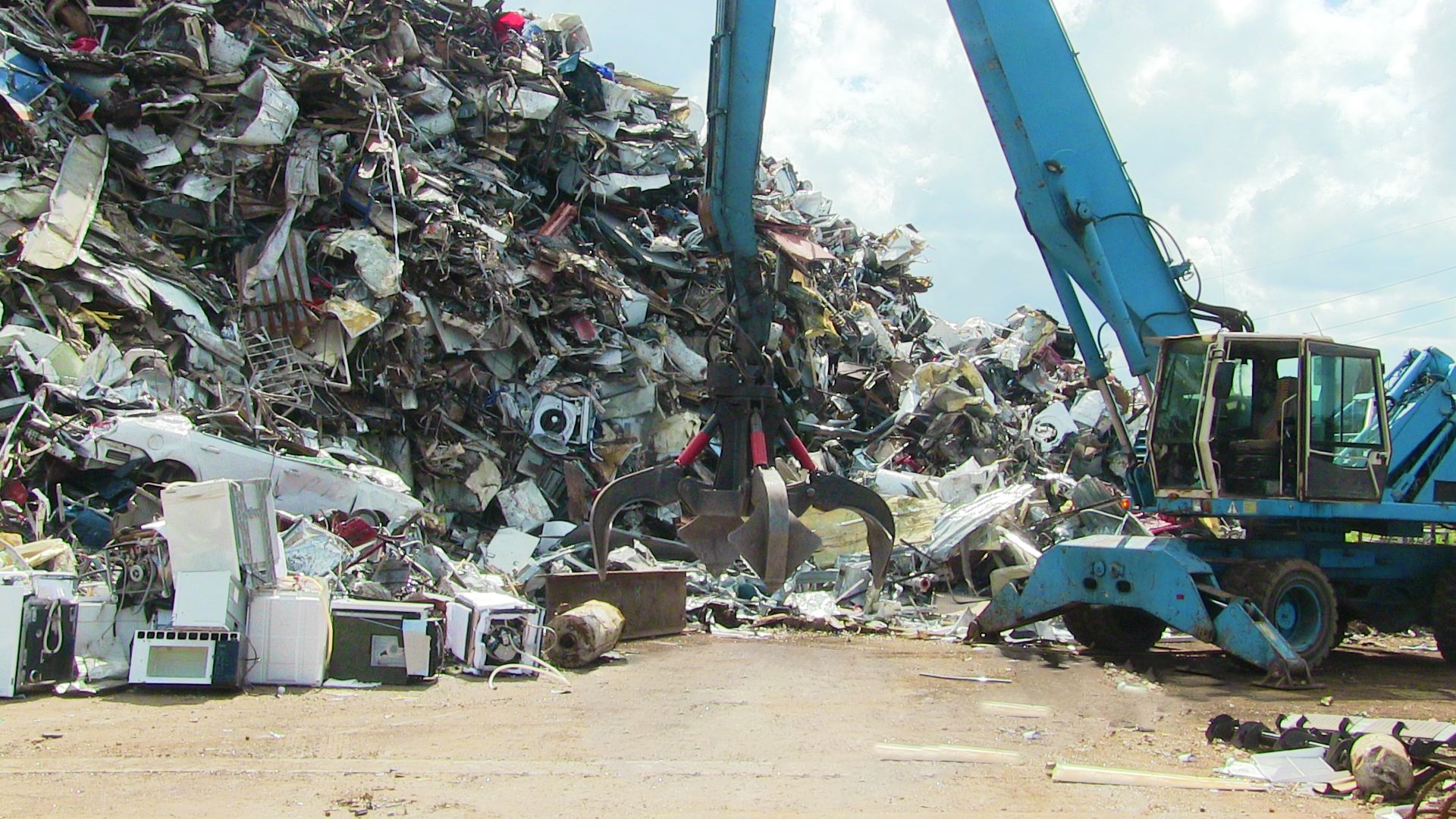
Scrap metal recycling plays a vital role in protecting the environment and promoting sustainability. In Melbourne, where environmental awareness continues to grow, recycling scrap metal has become an essential practice for households and businesses alike. With services provided individuals can contribute to a cleaner and greener future while benefiting from responsible waste management.
Reducing Landfill Waste
One of the most significant environmental benefits of scrap metal recycling is the reduction of landfill waste. Metal items such as old appliances, construction materials, and car parts can take years to break down. When these items are sent to landfills, they occupy valuable space and may release harmful substances into the soil and water.
By recycling scrap metal, these materials are diverted from landfills and repurposed into new products. This not only reduces environmental pollution but also helps extend the lifespan of landfill sites in Melbourne.
Conserving Natural Resources
Recycling metal reduces the need for mining raw materials such as iron ore, bauxite, and copper. Mining is an energy-intensive process that can lead to habitat destruction, soil erosion, and water contamination. By reusing existing metals, we can significantly decrease the demand for new resource extraction.
We supports this effort by ensuring that collected scrap metal is processed and reintroduced into manufacturing cycles, conserving valuable natural resources for future generations.
Saving Energy
Producing metals from recycled materials requires far less energy compared to extracting and refining raw ore. For example, recycling aluminum can save up to 95% of the energy needed for primary production. Similarly, recycling steel and copper also results in substantial energy savings.
Lower energy consumption means fewer greenhouse gas emissions, which directly contributes to combating climate change. In Melbourne, increasing participation in scrap metal recycling can have a meaningful impact on reducing the city’s carbon footprint.
Reducing Greenhouse Gas Emissions
Scrap metal recycling helps decrease the emission of harmful gases such as carbon dioxide and methane. These gases are major contributors to global warming and climate change. By minimizing the need for mining and manufacturing, recycling significantly cuts down on industrial emissions.
Choosing a reliable recycler ensures that the entire process is handled efficiently and sustainably, maximizing environmental benefits.
Supporting a Circular Economy
Recycling scrap metal promotes a circular economy, where materials are continuously reused rather than discarded. This system reduces waste, conserves resources, and encourages sustainable production practices.
In Melbourne, adopting a circular approach to metal usage supports long-term environmental goals and reduces reliance on finite resources. Johnny Metal Recycling plays a key role in this system by transforming discarded metal into reusable materials.
Protecting Ecosystems
Mining and waste disposal can harm ecosystems by disrupting natural habitats and polluting water sources. Recycling scrap metal helps minimize these impacts by reducing the need for extraction and preventing hazardous waste from entering the environment.
By participating in recycling programs, residents and businesses can help preserve biodiversity and protect natural ecosystems.
Why Choose Johnny Metal Recycling?
Their efficient collection and processing methods ensure that scrap metal is handled safely and sustainably. With a focus on reducing waste and promoting recycling, they make it easy for individuals to contribute to environmental conservation.
Make a Positive Impact Today
Scrap metal recycling in Melbourne offers numerous environmental benefits, from reducing landfill waste to conserving resources and lowering emissions. You can play an active role in protecting the environment while supporting sustainable practices. Start recycling today and help build a cleaner, greener future for generations to come.