
Signs Your Property Needs Safe Asbestos Removal Handled Right Now
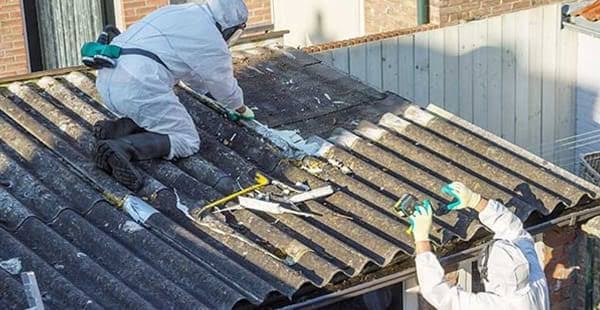
Asbestos was once celebrated as a miracle building material — fire-resistant, durable, and cheap to produce. Today, we know it’s one of the most dangerous substances that can exist inside a home or workplace. If your property was built or renovated before the late 1980s, there’s a real chance asbestos-containing materials are still present. Knowing the warning signs can help you act before a minor issue becomes a serious health hazard, and arranging safe asbestos removal promptly is one of the most important steps a property owner can take.
Your Property Was Built Before 1990
Age is the single biggest red flag. Asbestos was widely used in Australian construction until it was progressively banned in the late 1980s and early 1990s. If your home, office, or commercial building predates this period, there’s a strong likelihood that asbestos materials are present somewhere in the structure — even if previous renovations have covered or replaced some sections.
Deteriorating or Damaged Roofing and Wall Sheeting
Corrugated cement roofing sheets and flat wall cladding were among the most common asbestos-containing products. Over time, weathering, cracking, or water damage can cause these materials to break down, increasing the risk of fibre release. If you notice crumbling, chalky residue, or visible damage to older roofing or external sheeting, it’s time to arrange a professional inspection rather than attempting repairs yourself.
Renovating or Extending an Older Property
Any renovation, extension, or demolition work on a pre-1990s building carries a risk of disturbing hidden asbestos. Materials commonly found behind walls, under flooring, or within ceiling insulation can go unnoticed until construction begins. Before swinging a hammer or calling in contractors, a licensed asbestos assessment should always be the first step to identify what you’re dealing with.
Cracked or Aging Vinyl Flooring and Backing
Vinyl floor tiles and their adhesive backing frequently contained asbestos fibres, particularly in kitchens, bathrooms, and laundries of older homes. Cracking, lifting, or crumbling flooring — especially when combined with plans to renovate — is a strong signal that testing and safe asbestos removal should be arranged before any further work is done.
Insulation Around Pipes, Hot Water Systems, or Switchboards
Older properties often used asbestos-based insulation to wrap pipes, hot water units, and electrical switchboards due to its heat-resistant properties. If you notice greyish, fibrous material around these fixtures — particularly if it appears aged or disturbed — avoid touching it and arrange for professional testing immediately.
Musty, Fibrous Debris in Roof Cavities or Subfloors
Homeowners undertaking pest inspections, plumbing work, or general maintenance sometimes discover loose, fibrous debris in ceiling cavities or under-floor areas. This material can be extremely dangerous if disturbed, as it’s more likely to be friable asbestos, which releases fibres easily into the air. This scenario calls for immediate caution and professional assessment.
You’re Preparing to Sell or Lease the Property
Even without visible damage, properties changing hands often require an asbestos assessment as part of due diligence. Buyers, tenants, and real estate agents increasingly expect clear documentation confirming a property is asbestos-free or has had any hazardous materials safely managed. Addressing this proactively can prevent settlement delays or renegotiations later in the process.
What to Do If You Spot These Signs
If any of these warning signs apply to your property, the safest course of action is to avoid disturbing the material and contact a licensed asbestos assessor for testing. Should asbestos be confirmed, only engage professionals qualified to carry out safe asbestos removal in line with Victorian WorkSafe and EPA regulations. This ensures fibres are contained, workers and occupants are protected, and waste is disposed of legally and responsibly.
Asbestos doesn’t announce itself loudly — its dangers often hide in plain sight within older ceilings, floors, and walls. By recognising these warning signs early and prioritising safe asbestos removal, you protect the health of everyone who lives in, works in, or visits your property, while also safeguarding its long-term value and compliance status.
Professional concrete removal in Melbourne for driveways, slabs, and foundations. Efficient, licensed contractors ensure safe demolition, cutting, and responsible waste recycling.